Why autumn is the right time to test vitamin D in Canada
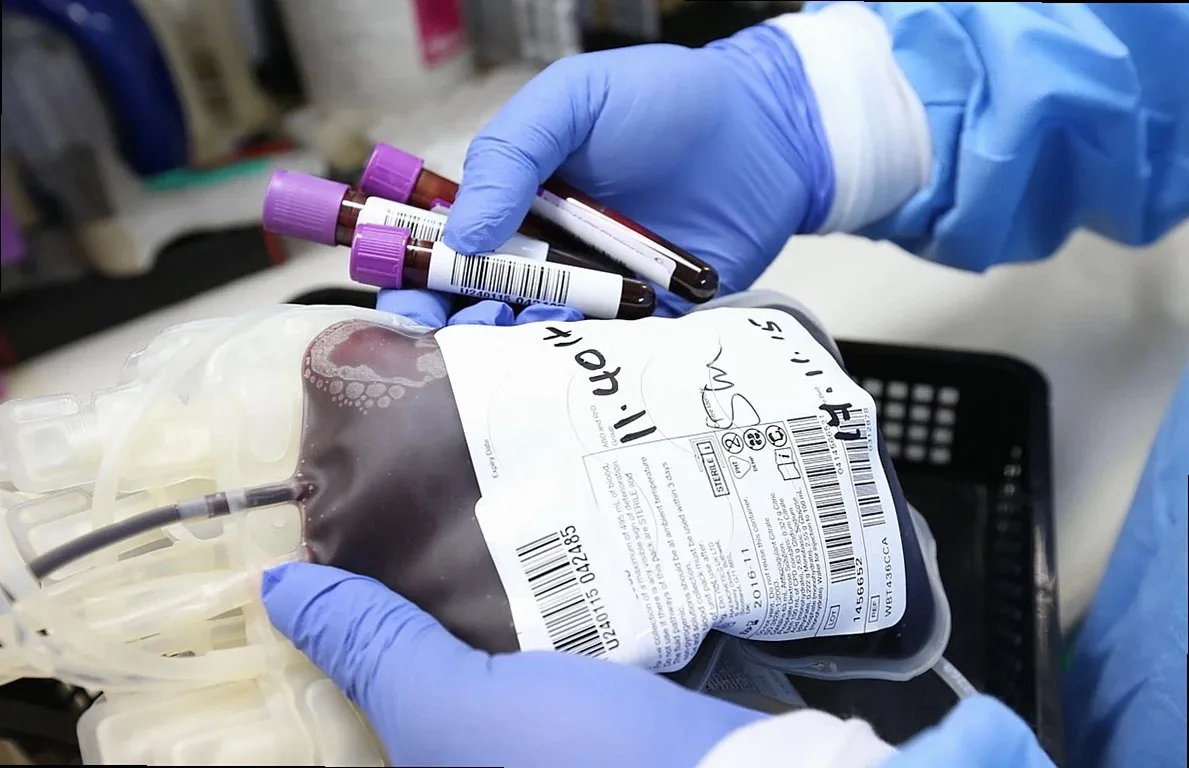
Canada's latitude means that from roughly October through March, the angle of the sun is too low for skin to synthesise meaningful amounts of vitamin D from UV-B radiation. By the time most patients notice symptoms of deficiency. Fatigue, low mood, muscle weakness. Their levels have often been declining for months. Testing in September or early October gives you a baseline while levels are still at their seasonal peak, and enough time to start supplementation before the drop becomes significant.
How vitamin D is measured
The standard test is serum 25-hydroxyvitamin D, written as 25-OH vitamin D or 25(OH)D. This is the storage form of vitamin D in the body and the most reliable indicator of overall status. It reflects both dietary intake and skin synthesis over the preceding weeks.
Health Canada and most Canadian clinical guidelines consider levels below 50 nmol/L as deficient, 50-74 nmol/L as insufficient, and 75 nmol/L or above as sufficient. Some clinicians aim for 100-150 nmol/L for patients with specific conditions, though the evidence for benefit above 75 nmol/L is less consistent.
Who is most likely to have low levels
People who spend most of their time indoors, those with darker skin tones (which requires longer sun exposure to produce the same amount of vitamin D), older adults, and people who cover most of their skin for cultural or medical reasons are all at higher risk of deficiency. Diet contributes relatively little vitamin D for most people. Fatty fish and fortified dairy products are the main sources, but the amounts are modest compared to what skin synthesis can produce in summer.
In British Columbia, the combination of northern latitude, frequent cloud cover from October onward, and indoor working patterns means that low vitamin D is genuinely common, not a niche concern.
What to do with the result
If your level comes back above 75 nmol/L in September, you have a useful reference point. If it comes back below 50 nmol/L, that is worth discussing with your physician, who may recommend a loading dose followed by a maintenance supplement. Over-the-counter vitamin D3 supplements are widely available in Canada and are generally well tolerated, but the appropriate dose depends on your baseline level and other factors your physician will consider.
The test takes a single blood draw, requires no fasting, and results are available the same day. If you are combining it with a CBC or metabolic panel, it adds nothing to the collection visit.